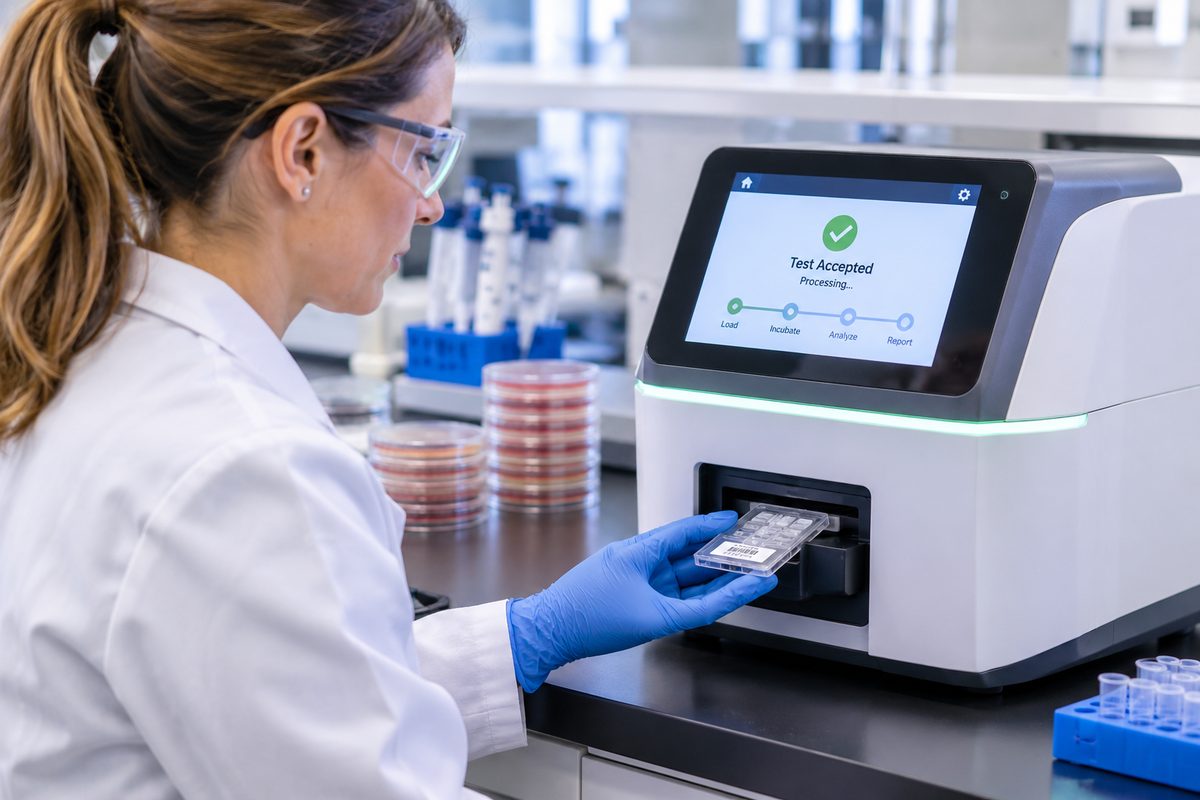
Rapid microbiological methods (RMMs) offer significant opportunities for pharmaceutical and biotechnology laboratories to improve testing efficiency, reduce turnaround times, and make faster decisions about product quality. Despite these advantages, transitioning from conventional microbiological methods to rapid technologies can present challenges.
Two of the most significant hurdles are regulatory requirements and cost. Understanding these challenges early in the implementation process can help organizations make informed decisions and develop a successful transition strategy.
Regulatory Challenges: Demonstrating Method Suitability
One of the primary challenges in adopting a rapid microbiological method is demonstrating that the new technology is suitable for its intended application.
When replacing an established conventional method, laboratories must generate sufficient evidence to demonstrate that the alternative method provides reliable results and meets applicable regulatory expectations.
This typically involves comparative validation studies using standardized reference microorganisms, relevant environmental isolates, and representative product or process materials. Testing should establish that the new method performs appropriately under the conditions in which it will be used.
Depending on the technology and application, validation may evaluate characteristics such as specificity, sensitivity, accuracy, precision, detection limits, and comparability with the conventional method.
However, successful validation requires more than simply generating data. Experienced microbiologists must be able to interpret the results, identify potential limitations, establish appropriate acceptance criteria, and determine whether the method is scientifically justified for its intended purpose.
Laboratories must also consider how the new technology will be incorporated into existing procedures and quality systems, including the documentation needed to support its use.
For organizations without personnel experienced in rapid microbiological technologies, developing and executing a validation strategy can be time-consuming and may delay implementation.
Cost Considerations: Evaluating the Return on Investment
The financial investment required to adopt rapid microbiological methods is another important consideration.
Many technologies require substantial initial expenditures for instrumentation, software, installation, and equipment qualification. These costs can make implementation difficult to justify, particularly when conventional testing methods are already established.
However, evaluating an RMM based solely on its purchase price may overlook potential long-term savings.
Depending on the application, rapid methods can offer financial benefits through increased sample throughput, reduced labor requirements, shorter testing timelines, and decreased consumption of traditional testing supplies.
Faster results may also reduce the time products or materials spend in quarantine awaiting microbiological testing, potentially lowering inventory holding costs and improving manufacturing efficiency.
A realistic cost assessment should consider both the initial investment and ongoing operational expenses, including consumables, maintenance, staff training, routine testing, and continued performance verification.
The resources required for method validation should also be included. Developing protocols, performing studies, interpreting results, and preparing documentation all require time and specialized personnel.
Understanding these costs upfront helps organizations determine whether a particular technology offers sufficient operational and financial benefits to justify implementation.
Understanding the Guidance for RMM Validation
Several established guidance documents provide frameworks for evaluating, validating, and implementing alternative and rapid microbiological methods.
Three important references include:
- PDA Technical Report No. 33: Evaluation, Validation and Implementation of Alternative and Rapid Microbiological Methods.
- USP General Chapter <1223>: Validation of Alternative Microbiological Methods.
- European Pharmacopoeia Chapter 5.1.6: Alternative Methods for Control of Microbiological Quality.
These documents provide recommendations for validation study design, performance evaluation, and implementation. Although they address similar objectives, their approaches and recommendations are not identical.
Recent revisions to PDA Technical Report No. 33 and European Pharmacopoeia Chapter 5.1.6 reflect continued developments in rapid microbiological technologies and validation practices.
The appropriate validation strategy will depend on the technology, intended application, sample characteristics, and applicable regulatory requirements. Laboratories should evaluate these resources when developing a scientifically justified, fit-for-purpose validation approach.
How an RMM Consultant Can Help
For organizations considering a transition to rapid microbiological methods, experienced consulting support can help address both the technical and operational challenges.
A consultant can assist with:
- Technology evaluation: Assessing available methods and determining which systems are appropriate for the facility's testing requirements and operational needs.
- Validation planning and execution: Developing validation protocols, designing studies, generating and interpreting data, and preparing supporting documentation.
- Workflow development: Integrating the new technology into existing laboratory operations and establishing procedures for routine testing and ongoing performance verification.
- Staff training: Educating laboratory personnel on the technology, test procedures, result interpretation, and troubleshooting.
This support can be particularly valuable for organizations that lack internal experience with rapid microbiological technologies or do not have sufficient personnel to dedicate to implementation.
Involving a consultant early in the process can also help identify potential limitations before purchasing equipment, reducing the risk of investing in a system that does not meet the laboratory's needs.
Making the Transition to Rapid Methods
Rapid microbiological methods can provide meaningful improvements in laboratory efficiency, testing turnaround times, and manufacturing operations. However, realizing these benefits requires careful consideration of regulatory expectations, validation requirements, and the total cost of implementation.
Selecting the appropriate technology and developing a sound implementation strategy are essential first steps.
With the right technical expertise and planning, laboratories can overcome these hurdles and successfully incorporate rapid microbiological methods into their quality control programs.
Considering a transition to rapid microbiological methods?
Expert consulting support can help your organization evaluate technologies, develop validation strategies, and implement solutions that meet your laboratory's operational and regulatory needs. Learn more about our laboratory consulting services or contact Next Bio Consulting to schedule a free 20-minute consultation.
Stay Connected
Follow Next Bio Consulting on LinkedIn for practical microbiology lab insights and updates.
This article is intended for general informational purposes and does not replace applicable standards, regulatory requirements, accreditation-body policies, or professional advice specific to your laboratory.